
Self-custody in 2026: how to choose a wallet and prepare recovery
Controlling your own keys requires a reliable wallet, a protected backup and a recovery plan that works before an emergency.
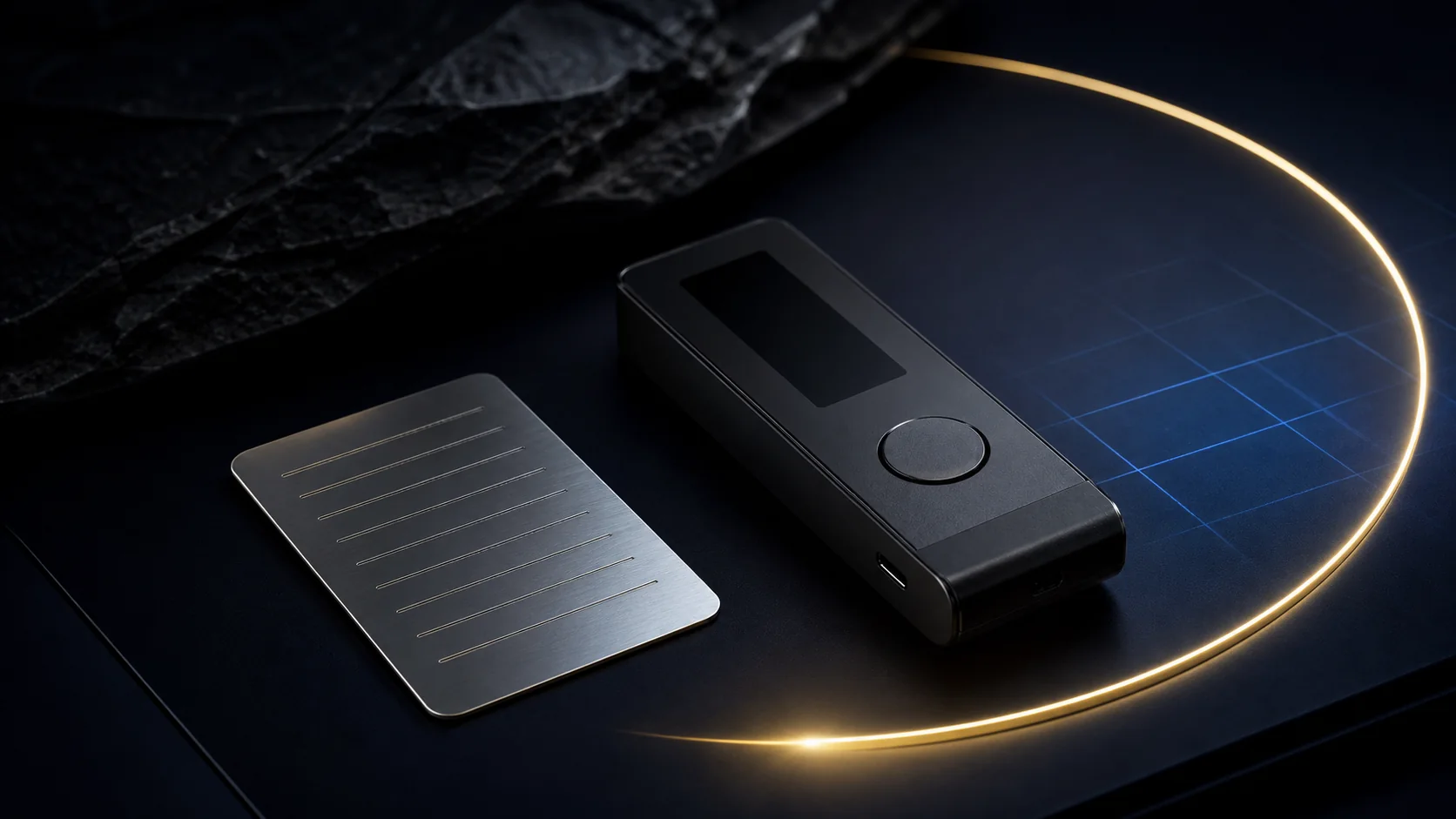
Self-custody starts with responsibility
A self-custody wallet gives you control of the keys that authorize access to your assets. That can reduce dependence on an intermediary, but it also means that a lost recovery phrase or an unsafe backup can prevent access permanently.
Choose a wallet according to how you intend to use it. A daily-use wallet, a long-term reserve and an account for trying a new application do not need to have the same risk profile.
Prepare recovery before a transfer
Write down the recovery phrase offline, keep it out of photos and cloud notes, and make sure you understand the recovery procedure. Never share the phrase, a private key or a one-time security code with anyone.
Keep a simple routine
Confirm the wallet's official source, update the software through official channels and test small transfers before moving a significant amount. Self-custody is not a recommendation for every situation; it is a responsibility that should be understood before it is used.
Sources: Ethereum.org wallets and Bitcoin.org wallet security. Reviewed on July 22, 2026.
Read more
A sound market reading combines data, context and clear risk limits.